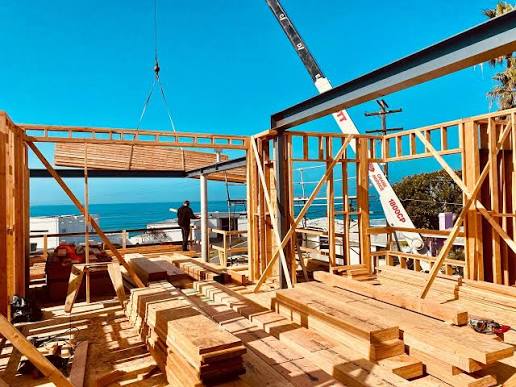
How to Evaluate a Newport Beach Home's Bones Before You Fall for the Finishes
Newport Beach Harrison White September 4, 2026
Newport Beach Harrison White September 4, 2026
Walk into enough open houses in this town and you'll notice a pattern: the kitchen has waterfall quartz, the floors are wide-plank white oak, and the listing photos make the whole place glow. It's easy to fall in love in the first ninety seconds.
But finishes are the easiest — and cheapest — part of a house to change. What you can't see in the photos is what actually determines whether you're buying a sound investment or a beautifully staged money pit: the foundation, the framing, the plumbing, the electrical, and how the house has aged against the salt air fifty yards from the water.
That's the part of the walkthrough most buyers skip, and it's the part where a Newport Beach realtor with an actual construction background pays for himself many times over.
Before buying a Newport Beach home, look past the finishes and check four structural fundamentals: foundation condition (cracks, settling, moisture intrusion), roof and framing age, plumbing and electrical systems (especially in homes built before 1990), and evidence of prior water or salt-air damage. In Newport Beach's coastal microclimates, homes over 30–40 years old — common on Balboa Island, in Corona del Mar cottages, and along the peninsula — carry a meaningfully higher risk of deferred structural maintenance behind cosmetic remodels. A pre-offer walkthrough with someone who can read framing and foundation issues, not just staging, is the single best way to avoid an expensive surprise after closing.
Newport Beach isn't a typical suburban market where most homes were built in a handful of tract phases with predictable materials. It's a patchwork of eras and conditions:
[Link: Newport Beach homes for sale page]
Each of these carries a different risk profile. A gorgeous 1962 Dover Shores remodel and a ground-up 2019 Newport Coast build require completely different due diligence, and a generic home inspection checklist doesn't account for that. This is where local, hands-on knowledge of how these specific neighborhoods were built — and what tends to go wrong in each — makes a real difference.
The Newport Beach real estate market has stayed remarkably resilient. The average home value in the city sits around $3.69 million, up roughly 9.8% year-over-year [VERIFY — Zillow, mid-2026 data], and the median sale price across recent months has hovered in the $3.4–3.7 million range, with homes typically spending 70–83 days on market [VERIFY — Redfin/Movoto, 2026 data].
At that price point, buyers are competing hard for well-presented homes — which is exactly why sellers (and their stagers) have every incentive to make a house look flawless on the surface. In a market where multiple offers are still common on well-priced listings, the pressure to move fast can push buyers to skip the deeper structural questions. That's precisely when a bones-first mindset protects you most.
Here's the walkthrough sequence I use with buyers, built from years spent literally building and renovating homes in this market before I ever held a real estate license:
Balboa Island and the Peninsula — Small, densely built lots where cosmetic remodels are common but full structural updates are expensive and disruptive, so many owners defer them. Ask directly about foundation type (raised vs. slab) and any bulkhead or seawall maintenance history if the lot touches the water.
Corona del Mar cottages — Charming 1920s–1950s bones are often hiding behind a 2020s kitchen. Verify whether the remodel included structural work (new foundation, seismic retrofitting) or was purely cosmetic.
Eastbluff and Dover Shores — Mid-century homes with genuine bones, but decades of piecemeal owner updates mean systems can be a patchwork of different eras. A whole-house systems review matters more here than almost anywhere else in the city.
Newport Coast and Crystal Cove — Newer construction generally means fewer foundation surprises, but complex hillside lots bring their own scrutiny: retaining walls, drainage engineering, and slope stability.
[Link: Corona del Mar neighborhood guide]
If you're buying:
If you're selling:
Anyone can pull comps and open a lockbox. What's harder to find is a Newport Beach real estate agent who has actually framed a wall, pulled a permit, or managed a renovation crew — and who also happens to have grown up in this specific market.
I'm a fifth-generation Newport Beach local and a Broker Associate with Compass, and before real estate, I spent years in construction. That combination means when I walk a listing with a client, I'm not just evaluating curb appeal — I'm reading the same things a contractor would flag during due diligence, in the same neighborhoods I grew up in. For buyers, that can mean avoiding a six-figure surprise. For sellers, it can mean pricing and presenting a home in a way that holds up under a buyer's scrutiny instead of falling apart at inspection.
If you're shopping for a home in Newport Beach — or getting ready to sell one — let's walk it together before you fall for the paint color. [Link: Newport Beach homes for sale page] to browse active listings, or schedule a call with me directly at harrisonwhitehomes.com to set up a walkthrough with a construction-trained eye on your side.
What should I look for structurally when buying a home in Newport Beach? Focus on foundation condition, roof age, plumbing material, electrical panel capacity, and permit history for any visible remodels. Coastal salt air accelerates wear on roofing, flashing, and exterior fixtures faster than in inland Orange County markets.
Are older homes in Newport Beach more likely to have structural issues? Homes over 30–40 years old — common on Balboa Island, the peninsula, and in parts of Corona del Mar — carry a higher likelihood of deferred maintenance behind cosmetic updates, particularly around plumbing, electrical panels, and foundation moisture. This isn't universal, but it's worth specific scrutiny.
How do I find out if a Newport Beach home's remodel was permitted? You can request permit history directly from the City of Newport Beach Building Division, or ask your realtor to pull it before you write an offer. Unpermitted work can affect financing, insurance, and future resale value.
Is it worth getting a specialized inspection for homes near the water in Newport Beach? Yes. Homes on Balboa Island, the peninsula, and other waterfront-adjacent lots benefit from an inspector experienced in coastal conditions — salt-air corrosion, bulkhead and seawall condition, and moisture intrusion patterns differ significantly from inland homes.
What's the current Newport Beach real estate market like for buyers? As of 2026, the median sale price in Newport Beach is running in the $3.4–3.7 million range, with homes typically spending 70–83 days on market [VERIFY]. Well-priced, well-presented homes are still moving quickly and often receiving multiple offers, which makes thorough due diligence before writing an offer especially important.
Why does a realtor's construction background actually matter when buying a luxury home? Because a construction background changes what an agent notices during a walkthrough — foundation cracks, roofing issues, panel capacity, and signs of unpermitted work — before those issues show up in a formal inspection report and potentially derail your closing timeline or budget.
Can a beautifully remodeled Newport Beach home still have bad bones? Yes, and it's more common than most buyers assume. Cosmetic remodels — new countertops, flooring, paint — can be completed without touching the foundation, framing, plumbing, or electrical systems underneath. A remodel's finish quality tells you nothing about what's structurally underneath it.
Stay up to date on the latest real estate trends.
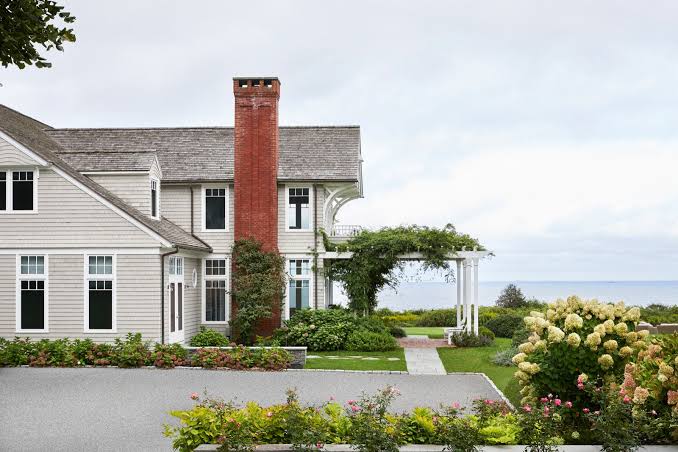
Newport Beach
Inside the private-listing process Newport Beach sellers use to sell quietly, test pricing, and protect their privacy
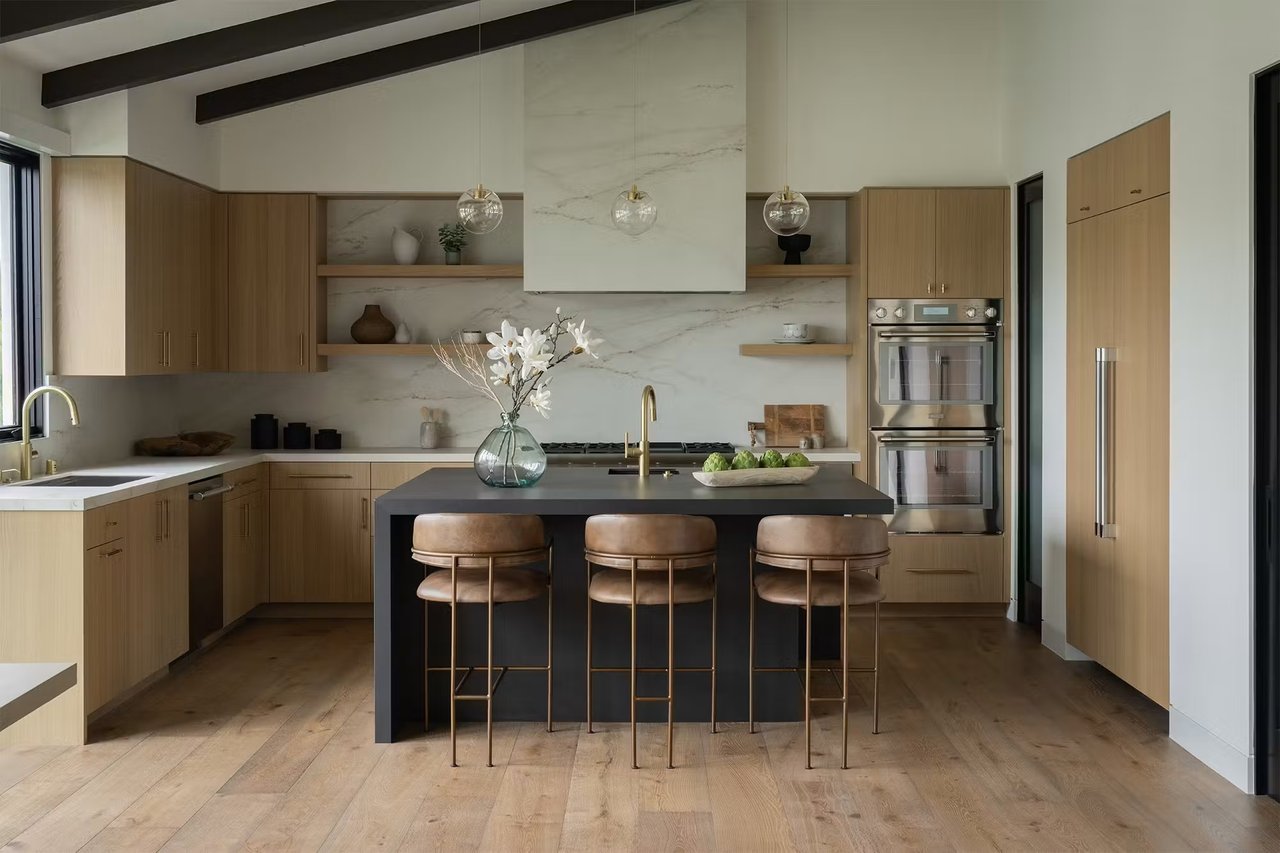
Newport Beach
A Newport Beach Realtor's Honest Guide to Which Luxury Remodels Pay Off — and Which Ones Don't
Newport Beach
What a construction-trained Newport Beach realtor looks for before the granite countertops distract you

Newport Beach
A buyer's guide to using AI research tools wisely — and knowing exactly when local expertise still wins
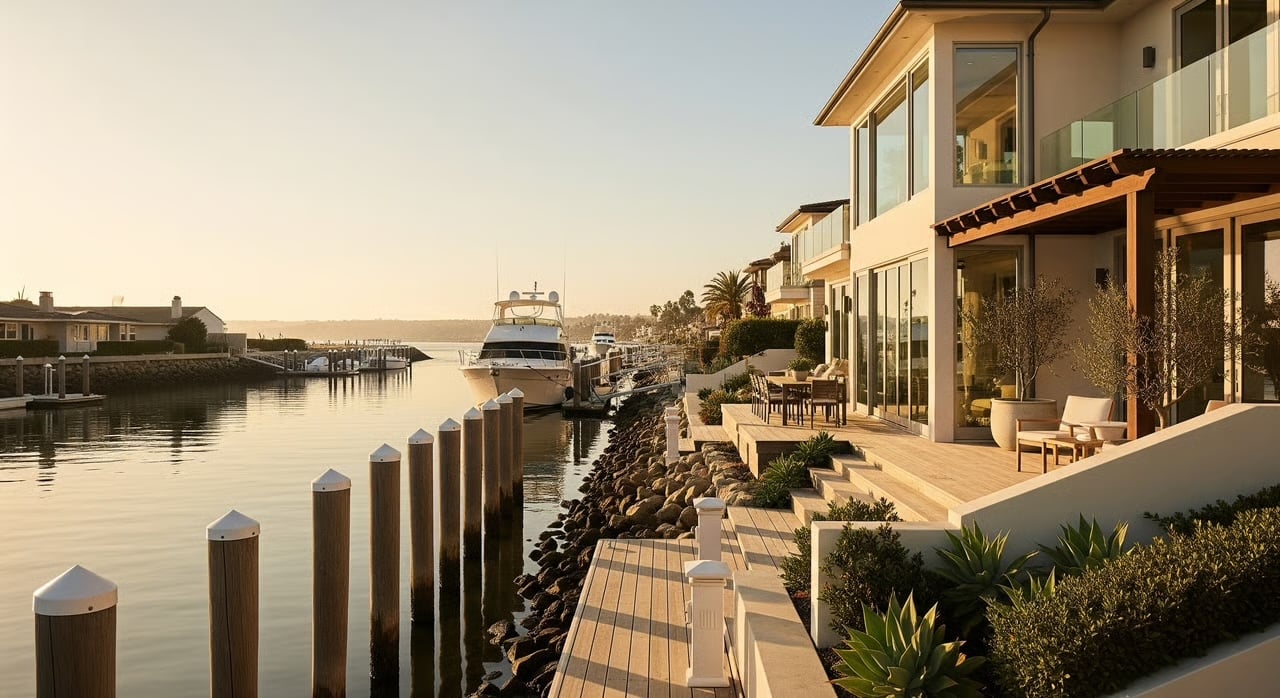
Newport Beach
What Every Waterfront Buyer Needs to Know About Bulkheads, Seawalls, and Dock Permits Before Making an Offer

The Best Farmer's Markets
From the OC Fairgrounds to Blackie's on the sand — a local's tour of the best farmers markets in Newport Beach and Costa Mesa

Newport Beach
What Buyers Need to Know About Coastal Commission Approval Before Remodeling Near the Water in Newport Beach
Newport Beach
What a Fifth-Generation Local With a Construction Background Wants You to Know About Lot Value, Rebuild Costs, and Coastal Zoning
Newport Beach
Comparing Newport Beach's two favorite family neighborhoods — cul-de-sac charm, top schools, and current homes for sale in each.